The Real Financial Drain of Traditional Menus
For independent cafe owners, quick-service restaurants (QSRs), and dhaba operators across India, managing operating costs is a daily battle. While you meticulously calculate food costs and staff salaries, there is a silent profit killer sitting right on your dining tables: the traditional paper menu.
In the highly competitive hospitality industry of 2026, prices fluctuate constantly. Vegetable rates surge, dairy prices change, and seasonal dishes need to be swapped in and out. Every time you need to adjust a price by just ₹10, your entire batch of printed menus becomes obsolete. Between graphic design fees, high-quality printing, durable lamination, and replacing menus damaged by food spills, the financial drain is massive but often overlooked.
The Hidden Costs Nobody Talks About
Let us break down the actual expenses of maintaining physical menus for a standard 15-table restaurant in India:
- Design Agency Fees: Every revision requires a graphic designer. Even minor text edits can cost ₹1,500 to ₹3,000 per session.
- High-Quality Printing & Lamination: Premium paper and waterproofing cost around ₹300 to ₹500 per menu. For 20 menus, that is ₹10,000 per batch.
- The Wear and Tear Tax: Physical menus get dirty, torn, and sticky. To maintain a hygienic brand image, you must replace them entirely every 3 to 4 months.
- Lost Revenue from Missing Items: When a dish is sold out, waiters have to verbally inform every table, leading to customer disappointment and wasted time.
If you update your menu quarterly, you are easily spending upwards of ₹8,000 to ₹10,000 a month on design, printing, and maintenance. Over 12 months, this completely avoidable expense effortlessly crosses the ₹1 Lakh mark.
The QRoute Digital Solution: Zero-Cost Updates
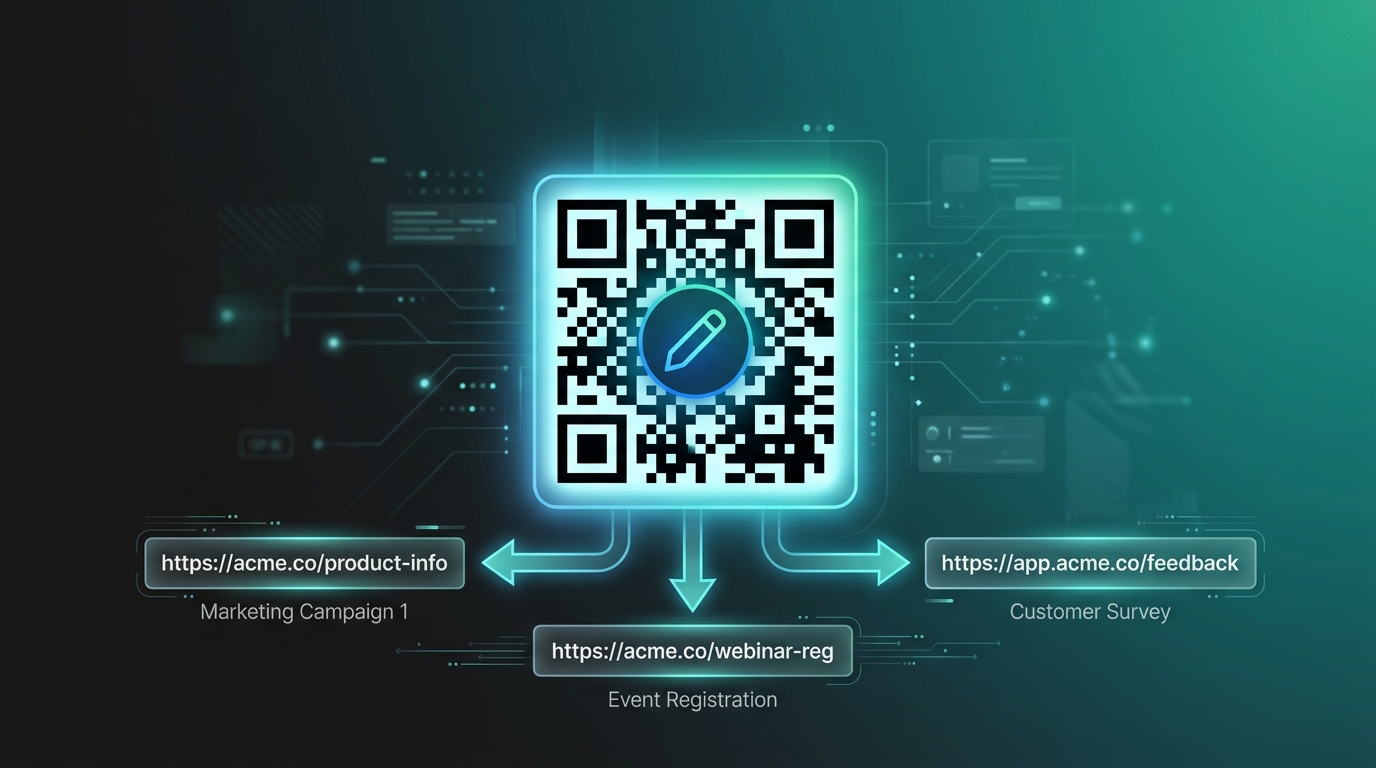
The smartest budget solution for 2026 is completely eliminating paper through a smart QR code system. By placing a single, highly durable acrylic QR standee on each table, you transition your entire ordering process to the cloud. With a platform like QRoute, updating a price, adding a festive combo, or instantly removing an out-of-stock item takes seconds and costs absolutely zero rupees.
You regain total control over your inventory, your margins, and your time, without ever having to call a local print shop again.
Designing for Conversions: Keep it Simple
Moving to a digital platform gives you a blank canvas, but a common mistake is over-complicating the digital layout. When building your digital catalog on QRoute, prioritize a simpler design oriented in a landscape layout with fewer visual elements. Customers do not want a cluttered, highly complex interface that is tough to navigate on their phones.
A clean, easy-to-read landscape layout ensures that high-quality food photography and clear pricing are instantly visible without excessive scrolling. Keeping the user interface minimal and straightforward reduces cognitive load, resulting in faster decision-making and quicker ordering.
Immediate Operational ROI Beyond Printing
Beyond the direct ₹1 Lakh savings in printing costs, digital menus streamline your entire floor operation. Waiters spend significantly less time handing out and sanitizing menus, allowing them to focus entirely on hospitality and delivering food faster. Because QRoute requires zero app downloads, customers can scan and browse seamlessly at their own pace.
By cutting out the printer and simplifying your ordering flow, that saved capital can be reinvested directly into what actually grows your business: better raw ingredients, staff training, or targeted social media marketing. Upgrading to a digital QR menu is not just about adopting new technology; it is a fundamental business strategy to protect your profit margins.